

In the world of online trading, the regulation of platforms plays a pivotal role in establishing trust and confidence among traders. One such platform is Pocket Option Regulation Pocket Option regulation, which is essential to understanding how this brokerage operates and protects its users. This article will provide an in-depth examination of the regulatory environment surrounding Pocket Option, its significance, how it enhances user security, and the impact of regulations on trading practices.
What is Pocket Option?
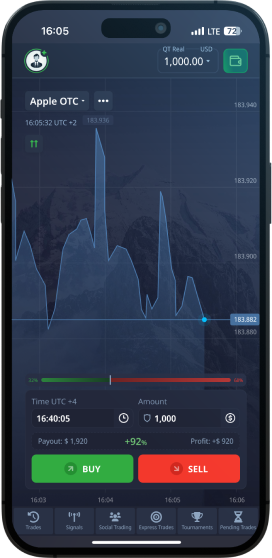
Pocket Option is a popular online trading platform that specializes in contracts for difference (CFDs) and binary options. Established in 2017, it has gained significant traction in the trading community due to its user-friendly interface, a wide variety of trading assets, and innovative features such as social trading. However, with the increasing popularity of online trading platforms, regulatory scrutiny has also grown, making compliance with legal standards an essential aspect of the business.
The Importance of Regulation
Regulation, in the context of financial trading, refers to the set of rules and laws that govern how trading platforms operate. These regulations are put in place by financial authorities to protect traders from fraudulent activities and ensure that brokers operate fairly and transparently. For traders, understanding the regulatory status of a trading platform is crucial for several reasons:
- Investor Protection: Regulatory bodies work to protect investors from potential fraud and malpractice in the financial market.
- Fair Trading Practices: Regulations ensure that brokers adhere to specific standards, promoting fair practices in trading.
- Transparency: Regulation enhances transparency, giving traders confidence that their funds are safe and that the platform is reliable.
- Dispute Resolution: In regulated environments, there are established channels for resolving disputes between traders and brokers.
Regulatory Status of Pocket Option
Pocket Option is operated by Gembell Limited, which is registered in the Marshall Islands. While this registration provides some level of legality, it’s important to note that the Marshall Islands is not considered a highly regulated jurisdiction like the United Kingdom or the United States. This difference is crucial for traders, as it may affect their rights and the protections afforded to them.
As of now, Pocket Option does not hold a license from any major regulatory body. Regulatory bodies such as the Financial Conduct Authority (FCA) in the UK, the Commodity Futures Trading Commission (CFTC) in the US, or the Australian Securities and Investments Commission (ASIC) in Australia provide a robust framework for investor protection. The absence of such licenses with Pocket Option could potentially expose traders to risks.
Self-Regulation and Compliance
Although Pocket Option is not regulated by a major authority, the company has implemented certain self-regulation and compliance measures aimed at enhancing user trust. These measures include:
- Segregated Accounts: Customer funds are kept in segregated accounts to ensure they are not used for operational purposes, which provides a layer of security for users.
- Withdrawal Policies: Clear withdrawal policies are provided, although the lack of a comprehensive regulatory framework means these policies may vary in enforcement.
- Customer Support: A responsive customer support system is crucial in helping users resolve issues that may arise during trading.
Risks of Trading on Unregulated Platforms
Trading on an unregulated platform like Pocket Option may expose traders to various risks, including:
- Fraudulent Practices: Without strict oversight, there is a higher likelihood of encountering fraudulent practices.
- Lack of Compensation Schemes: Unlike regulated brokers that may offer investor compensation schemes, unregulated brokers do not provide such safety nets.
- Market Manipulation: The absence of regulation increases the risk of market manipulation, which can adversely affect trades.
Conclusion
In conclusion, while Pocket Option offers a variety of trading opportunities and innovative features, it is important for potential traders to fully understand the implications of the platform’s regulatory status. The lack of regulation by a recognized authority raises significant concerns regarding investor safety and security. Traders must weigh the opportunities against the risks and consider whether they feel comfortable engaging with an unregulated platform. Ultimately, informed decision-making is key in navigating the world of online trading. By understanding the regulatory landscape, traders can better protect their investments and enhance their trading experiences.
As online trading continues to grow, regulations may evolve to better protect traders. It is essential for both current and potential Pocket Option users to stay informed about regulatory changes and the implications for their trading activities.